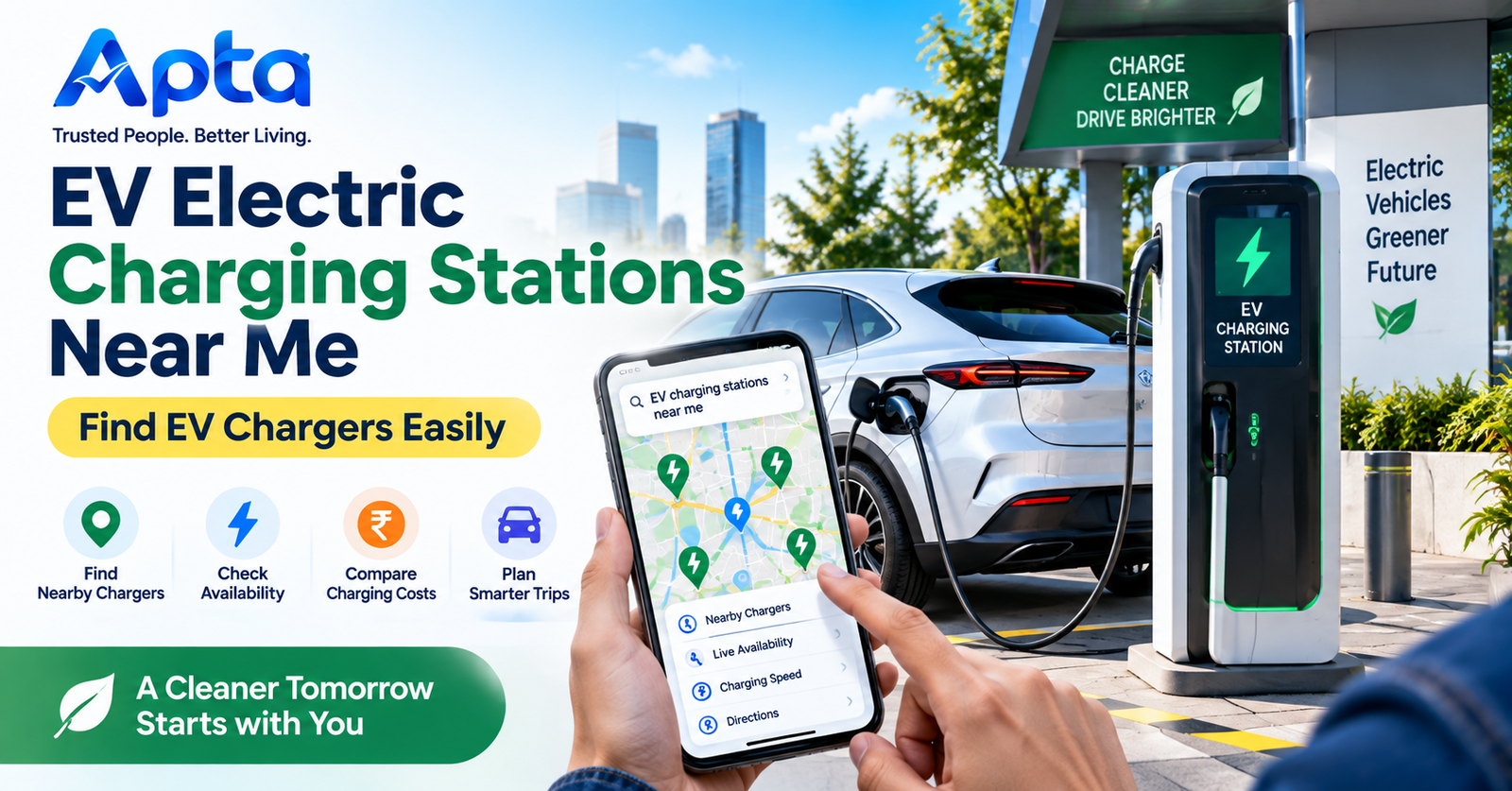
Finding an EV electric charging station near me has become an important part of everyday electric vehicle ownership. Whether you use an electric car for daily commuting, an electric scooter for local travel, or an EV for longer road trips, knowing where you can charge your vehicle can make your journey much easier.
Unlike traditional fuel stations, EV charging stations can be found at different types of locations, including public parking areas, commercial properties, offices, shopping centres, highways, petrol pumps and other designated locations.
In India, the Ministry of Power’s 2024 charging infrastructure guidelines cover public, semi-public and private charging infrastructure, including charging facilities at commercial complexes, railway stations, airports, petrol pumps, metro stations, municipal parking areas, highways and expressways.
This guide explains how to find an EV charging station near you, what to check before plugging in, and how to choose a charging point that matches your vehicle.
What Is an EV Charging Station?
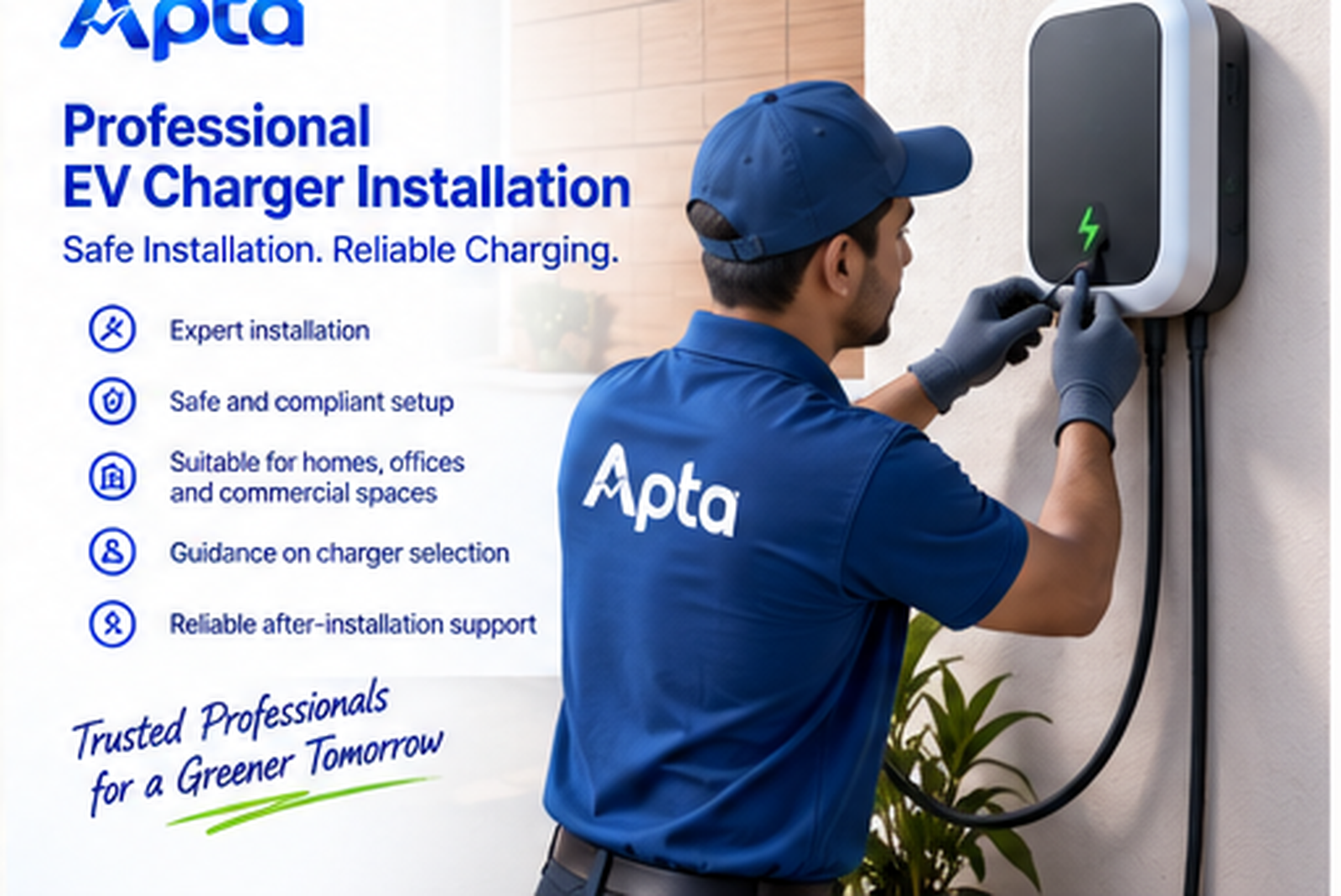
An EV charging station is a location where an electric vehicle can be connected to a charger to replenish energy stored in its battery.
Depending on the charger and vehicle, charging can take different amounts of time. Some chargers are designed for slower charging over several hours, while fast-charging systems can add a significant amount of range in a shorter period.
The Bureau of Energy Efficiency (BEE) identifies different charging configurations and connector types for EVs, including AC and DC charging systems.
Where Can You Find EV Charging Stations?
EV charging infrastructure can be installed in many locations, such as:
- Shopping centres
- Office buildings
- Residential communities
- Hotels
- Parking facilities
- Petrol pumps
- Highway rest areas
- Commercial complexes
- Airports
- Railway stations
- Metro facilities
- Dedicated EV charging hubs
The Ministry of Power’s 2024 guidelines specifically cover charging infrastructure in private parking, semi-restricted locations and public locations, as well as highways and expressways.
How to Find EV Charging Stations Near Me
If you search for “EV electric charging stations near me”, you will generally find charging locations through navigation applications, EV charging networks and other digital platforms.
BEE’s charging-infrastructure guidelines provide for a national database of public charging stations intended to help EV owners locate nearby public charging stations. The guidelines also describe the use of APIs so third-party applications can integrate non-confidential charging-station information.
Use a Map or Navigation App or Apta App
The simplest approach is to search for terms such as:
- EV charging station near me
- EV charger near me
- electric car charging station
- fast EV charging station
- DC fast charger near me
- electric vehicle charging point
You can then check the location, distance and available information before travelling to the station.
Check the Charging Network App
Many charging operators provide their own applications or digital platforms.
Depending on the operator, an app may show information such as:
- Station location
- Charger type
- Connector type
- Charging speed
- Availability
- Charging price
- Station status
- Payment options
BEE also notes that network service providers can provide information about nearby public charging points, including location, expected waiting time and charging cost.
Search by Your Vehicle
Instead of searching only for a location, you can also search based on your vehicle and charging requirement.
For example:
“Fast charger for electric car near me”
or
“DC charger compatible with my EV near me”
This can help narrow your search to charging infrastructure that is more relevant to your vehicle.
What Should You Check Before Using an EV Charging Station?
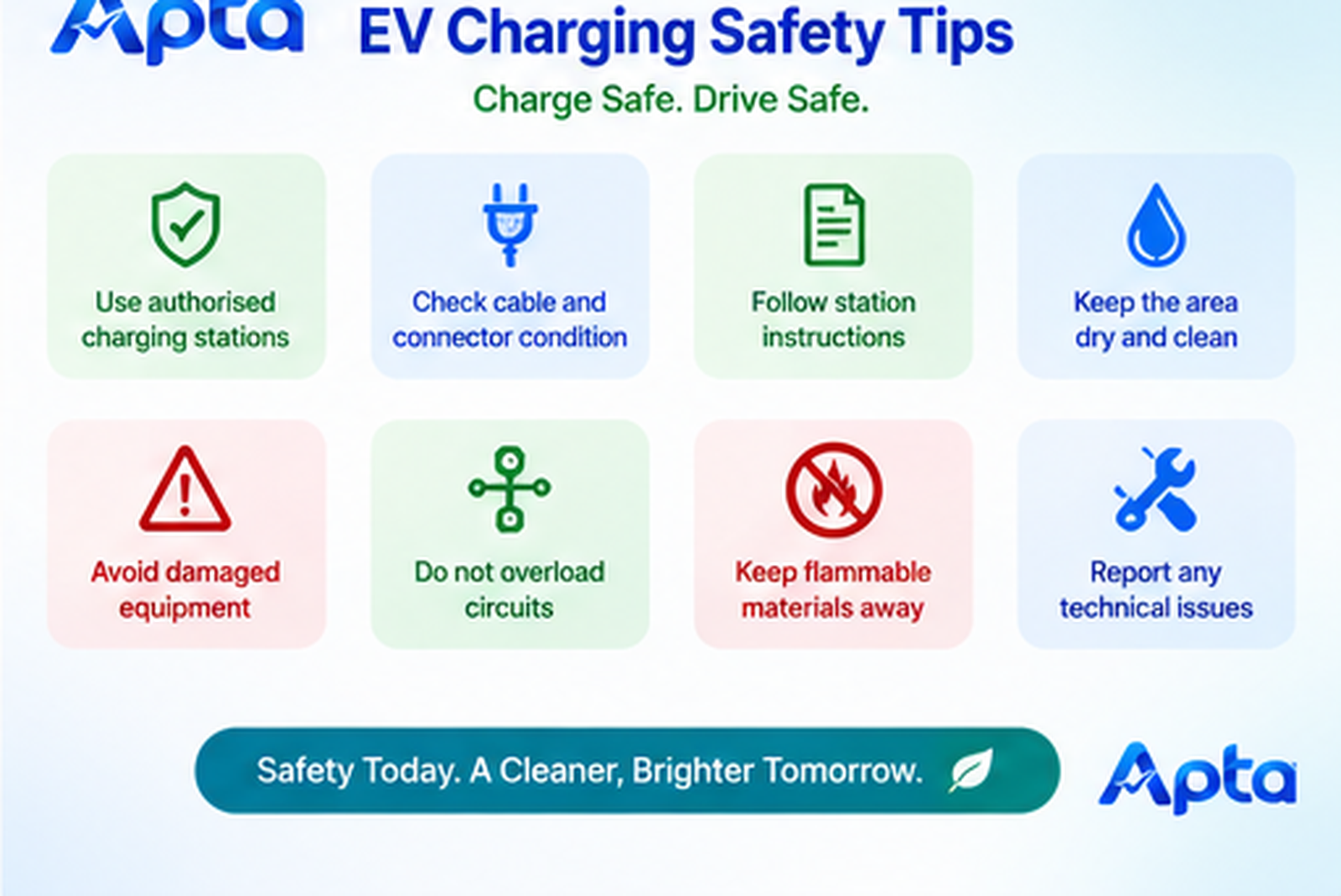
Finding a nearby charger is only the first step. A station may be close to you but still not be suitable for your vehicle.
Before driving to an EV charging point, check the following.
1. Connector Compatibility
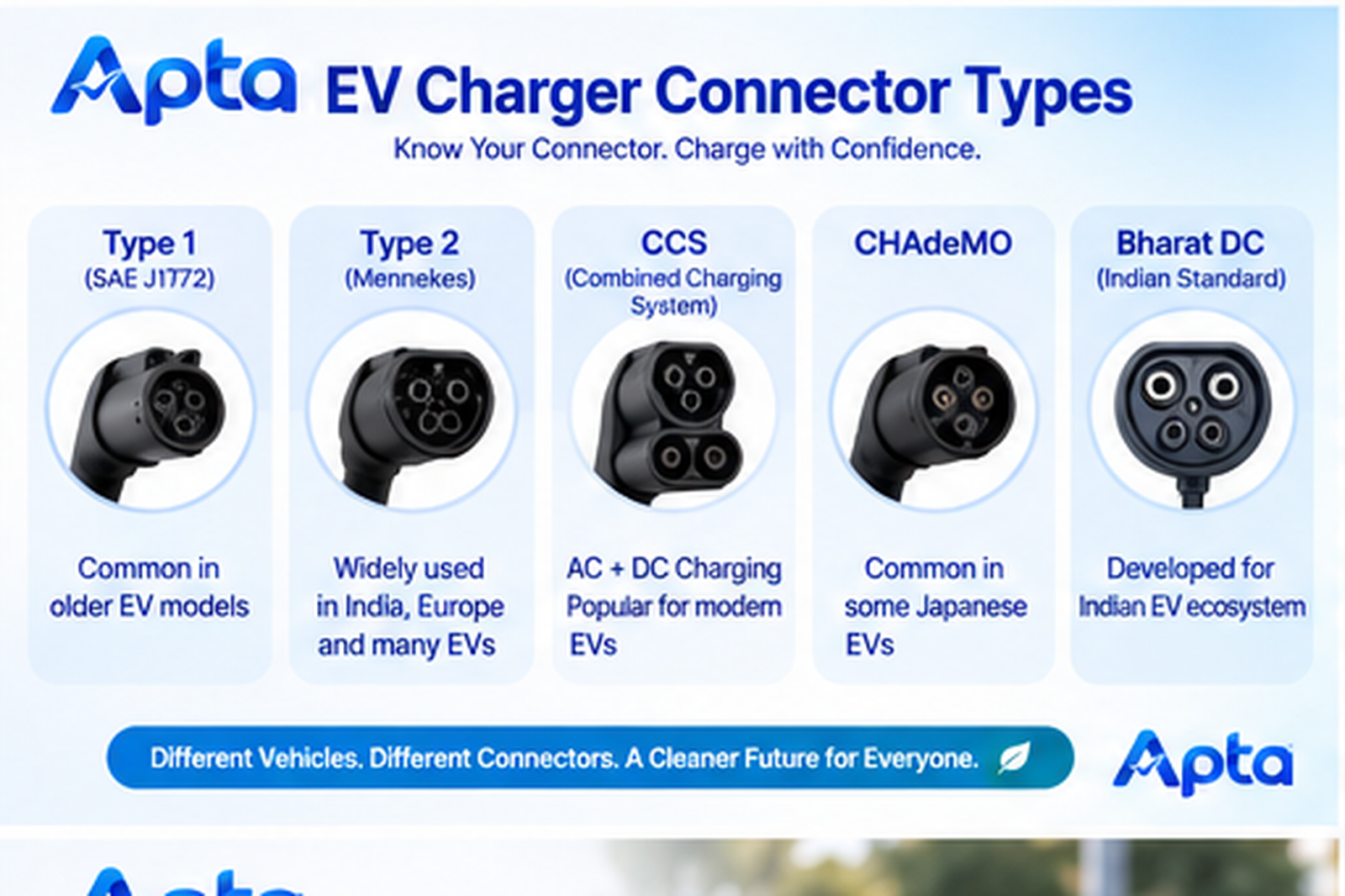
Different electric vehicles can use different connector configurations.
Check your vehicle manufacturer’s specifications and make sure the charging station has a compatible connector.
BEE’s published information on EV charging infrastructure includes configurations such as CCS, CHAdeMO, Type-2 AC and Bharat charging systems.
2. AC or DC Charging
One of the most important differences is whether the charger is AC or DC.
AC charging is commonly used for regular or longer-duration charging.
DC charging is generally used when faster charging is required.
Your vehicle must support the relevant charging system and connector.
3. Charging Power
Charging stations can have different power ratings.
A higher-power charger does not automatically mean your vehicle will charge at that maximum rate. The vehicle’s onboard charging capability, battery condition, charging state and other factors affect actual charging performance.
Therefore, check your vehicle’s specifications before selecting a charger.
4. Station Availability
A nearby charger may already be occupied.
Where availability information is provided, check the current status before travelling to the station.
For longer journeys, this can help reduce unnecessary waiting.
5. Charging Cost
Charging prices can vary between charging locations and operators.
Before starting a charging session, check:
- Energy charge
- Service or convenience charges
- Applicable taxes
- Parking charges, if any
- Idle or additional charges, where applicable
The Ministry of Power’s 2024 guidelines address electricity tariffs and service-fee provisions for public EV charging infrastructure.
6. Location and Accessibility
A charging station may be technically available but inconvenient to access.
Consider:
- Entry and exit
- Parking space
- Operating hours
- Road accessibility
- Security
- Nearby facilities
- Waiting area
- Distance from your route
For long journeys, a charger located conveniently along your route can be more practical than one that requires a significant detour.
Fast EV Charging Stations Near Me
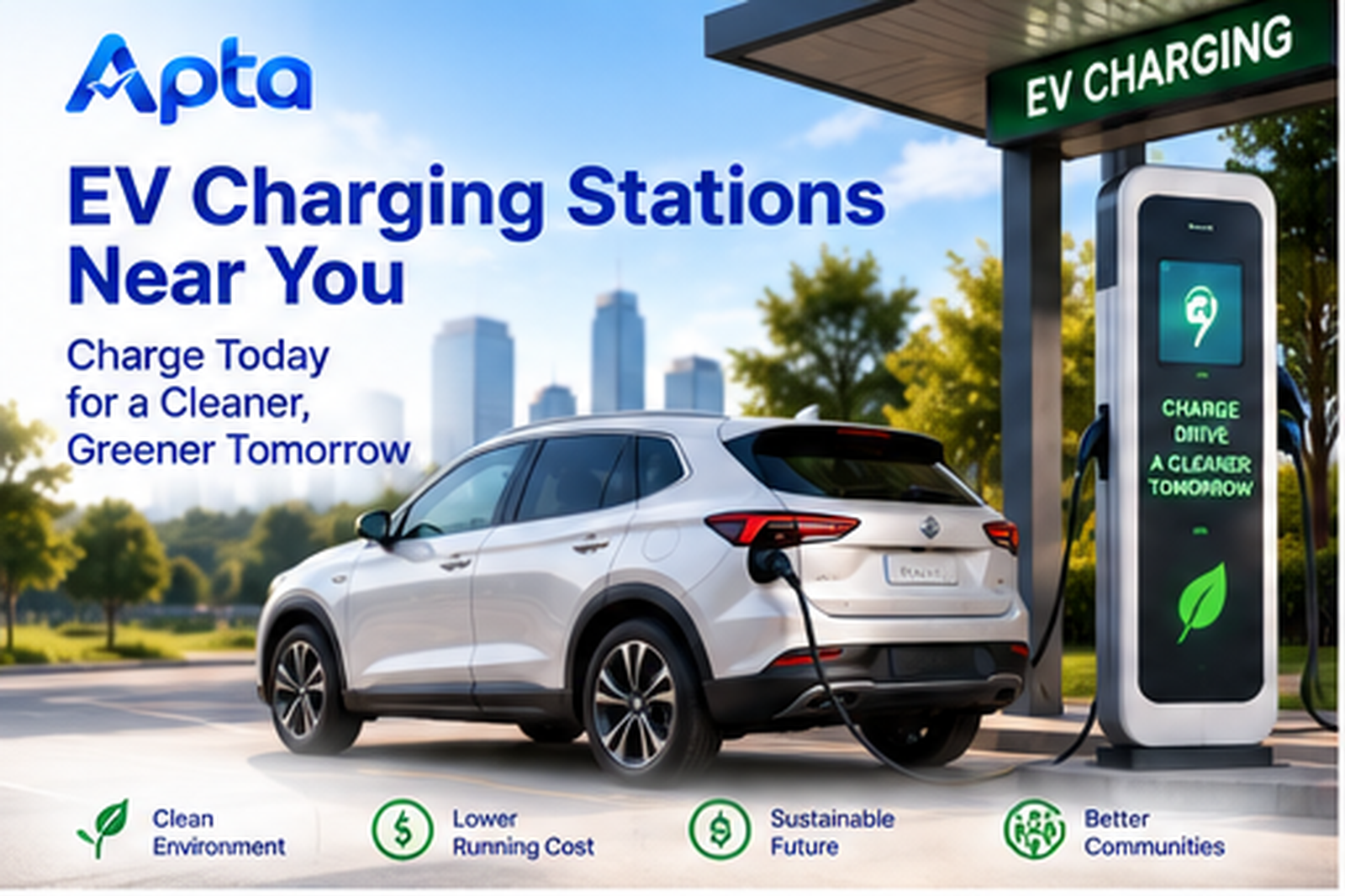
If you need to continue your journey quickly, you may specifically search for a fast EV charging station near me.
Fast charging can be particularly useful for:
- Highway journeys
- Intercity travel
- Commercial EVs
- Emergency top-ups
- Drivers with limited charging time
However, charging speed depends on the vehicle as well as the charger.
DC Fast Charging
DC fast chargers supply direct current to the vehicle’s battery system and can generally provide faster charging than conventional AC charging.
BEE’s published charging information includes fast-charging configurations such as CCS and CHAdeMO, subject to applicable specifications and vehicle compatibility.
Don’t Choose a Charger Only by Its Power Rating
A charger advertised with a high power rating does not necessarily mean your EV will receive that full power.
Actual charging can depend on:
- Vehicle charging capability
- Battery temperature
- Battery state of charge
- Charger availability
- Charging-session conditions
- Vehicle battery management system
Always consider compatibility + charging speed + location + availability, rather than power rating alone.
EV Charging Stations on Highways
Charging infrastructure is especially important for long-distance EV travel.
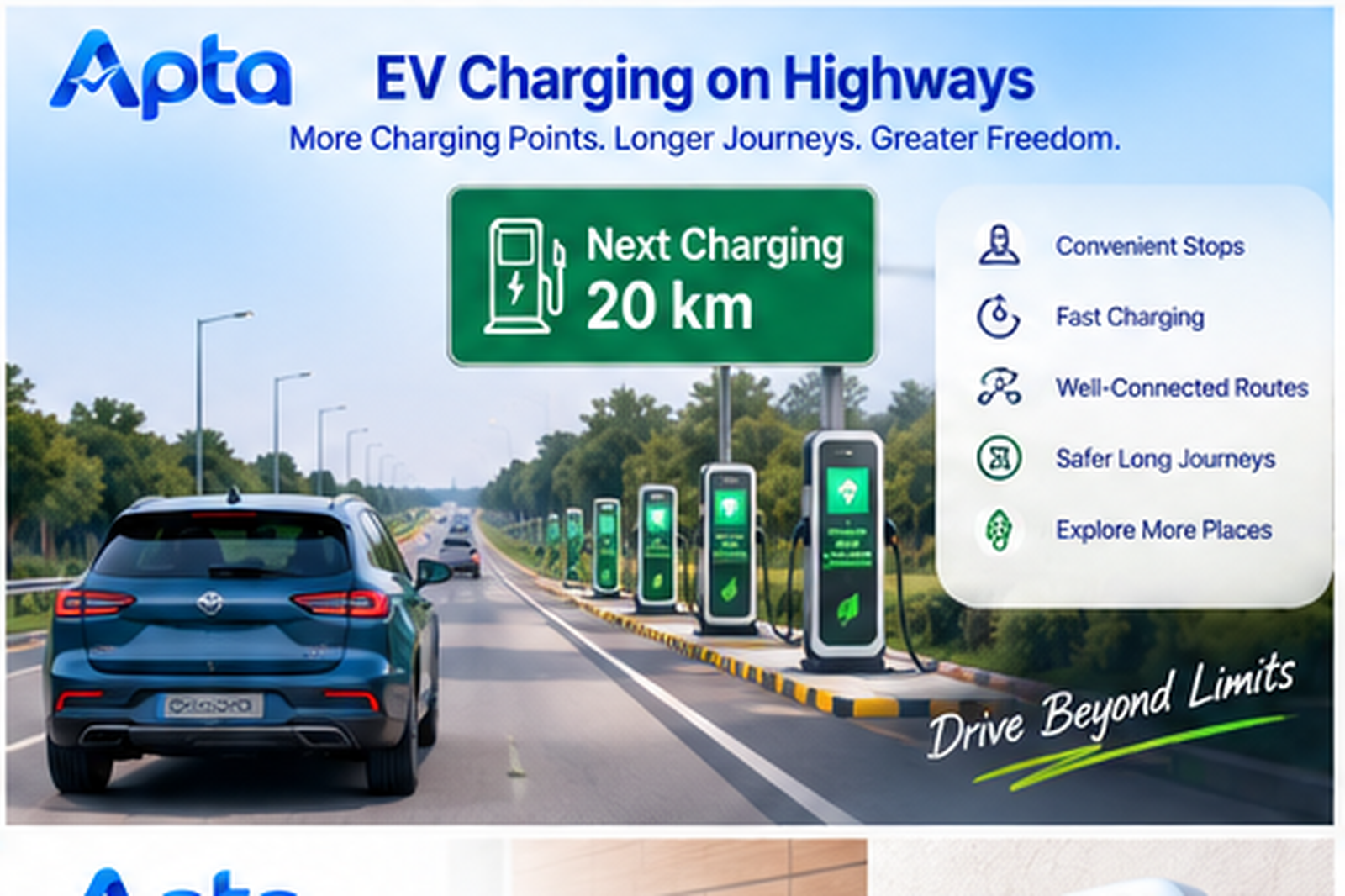
The Ministry of Power’s 2024 guidelines suggest charging-station deployment at intervals of around 20 km on both sides of highways, expressways and major roads, while also providing a separate provision for fast-charging infrastructure for long-range and heavy-duty EVs.
This is a deployment guideline, not a guarantee that every road currently has a charger at exactly that distance.
Plan Your Charging Stops Before a Long Journey
For an intercity trip, don’t wait until the battery is almost empty before looking for a charging station.
Instead:
- Check your expected route.
- Identify charging locations along the route.
- Check connector compatibility.
- Check availability where possible.
- Keep an additional charging option in mind.
- Consider traffic and route changes.
- Leave enough battery reserve to reach your planned charger.
EV Charging at Home vs Public Charging
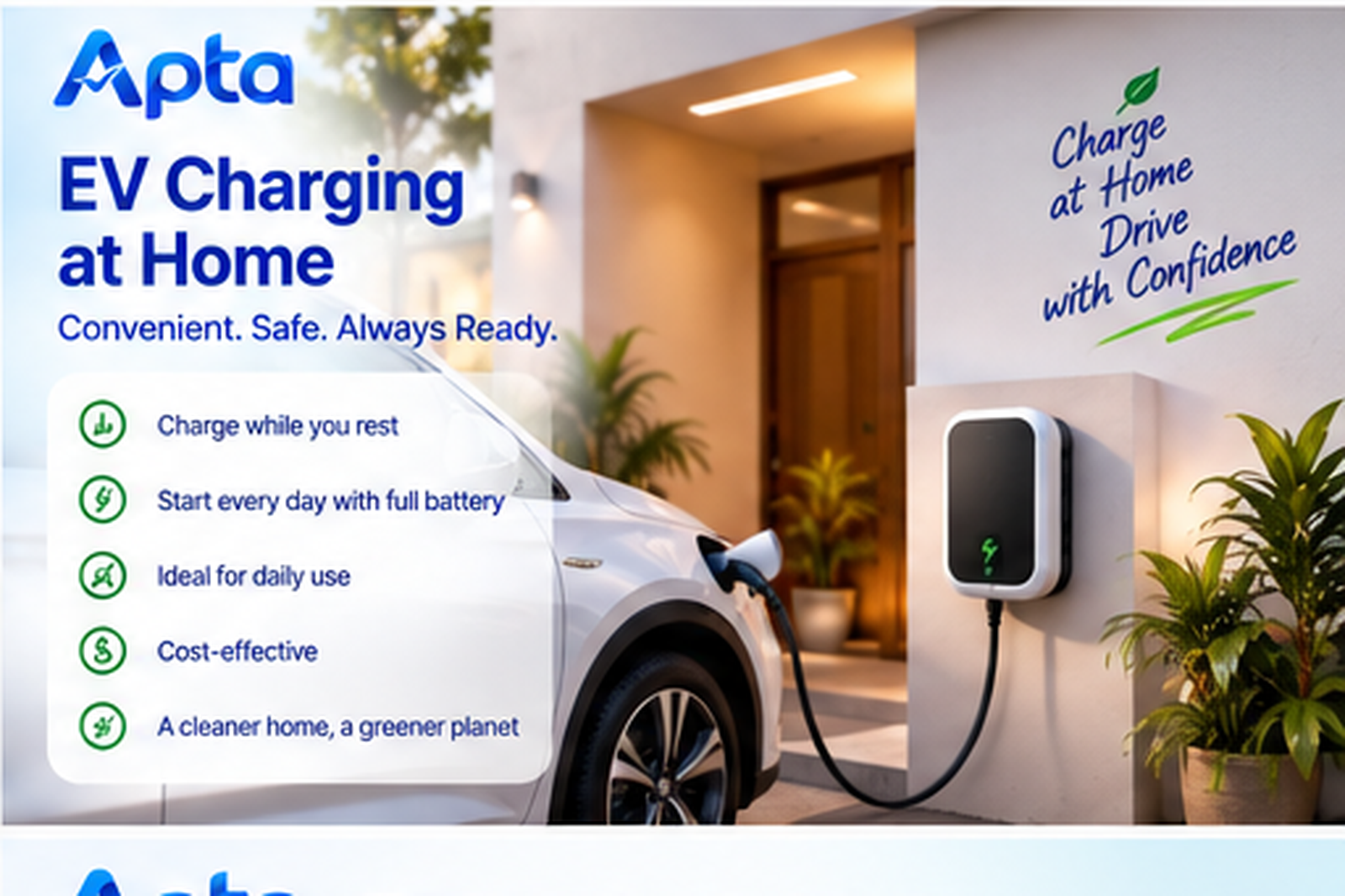
Home charging and public charging serve different purposes.
Home Charging
Home charging can be convenient for regular daily use because the vehicle can charge while parked.
The Ministry of Power’s guidelines allow residential owners to use existing electricity connections for EV charging or opt for a separate metered connection with a dedicated EV charging tariff, subject to applicable rules.
Home charging can work particularly well when:
- You have dedicated parking.
- You usually drive predictable distances.
- Your vehicle remains parked for several hours.
- Your building permits the required charging arrangement.
Public Charging
Public charging is useful when:
- You are travelling away from home.
- Your home charging setup is unavailable.
- You need faster charging.
- You are travelling between cities.
- You need a convenient top-up during the day.
For many EV owners, home charging + public charging can complement each other.
How Much Does EV Charging Cost?
There is no single nationwide price for every EV charging session.
The amount you pay can depend on the charging operator, location, electricity tariff structure, charger type, service fees and other applicable charges.
Before starting a session, check the pricing information displayed by the charging operator.
A Simple Way to Estimate Charging Cost
You can broadly estimate energy cost using:
Energy consumed × applicable charging rate
For example, if your vehicle consumes 20 kWh during a particular charging session and the applicable energy rate is ₹X per kWh, the energy component would be approximately:
20 × ₹X
The final bill may differ if additional fees, taxes or parking charges apply.
How to Choose a Reliable EV Charging Point
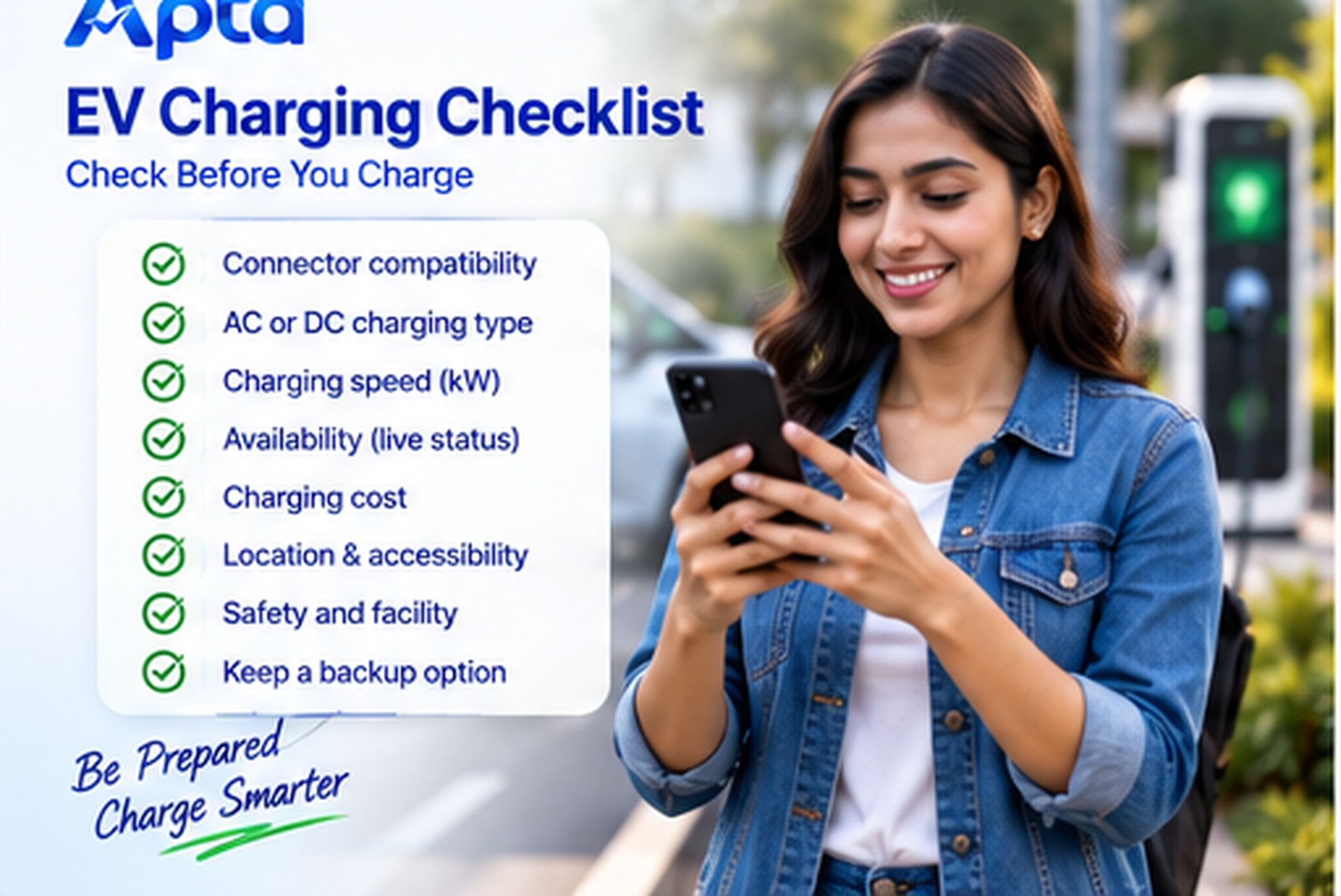
When comparing nearby charging stations, look beyond distance.
Check These Details
Compatibility
Confirm that the connector and charging system work with your EV.
Availability
Check whether the charger is currently available, where live status is provided.
Charging Speed
Choose AC or DC charging based on your vehicle and how much time you have.
Location
Consider whether the station is convenient and easy to access.
Pricing
Check the complete applicable charges before starting.
Reviews
Reviews can help you understand other users’ experiences with accessibility, charger reliability and overall service.
Safety
Prefer properly installed and operated charging infrastructure and follow the station’s safety instructions.
What If the Nearest EV Charger Is Not Available?
This is one reason EV drivers should avoid depending on only one charging point during longer journeys.
Keep at least one alternative station in mind.
Have a Backup Charging Plan
For example:
Primary charger → Alternative charger → Destination/home charging
This is especially useful when:
- Travelling long distances
- Driving during busy periods
- Visiting unfamiliar cities
- Using a vehicle with limited range
- Travelling through areas with fewer charging options
Common Mistakes to Avoid When Looking for EV Charging Stations
Choosing Only by Distance
The closest charger may not have the connector or charging speed you need.
Ignoring Compatibility
Always check the connector and vehicle compatibility before travelling.
Waiting Until the Battery Is Almost Empty
A low battery can make it harder to reach an alternative charger if your preferred station is unavailable.
Not Checking Pricing
Charging costs can differ between operators and locations.
Not Checking Operating Conditions
Check whether the station is accessible when you plan to use it and whether parking or other restrictions apply.
Assuming Every Fast Charger Works at Maximum Speed
Actual charging speed depends on both the charger and the vehicle.
EV Charging Stations and Apta
Finding a nearby EV charging station is not only about finding a physical charging point. In many cases, EV owners also need people who can help with EV-related services, such as charger installation, electrical work, inspection, maintenance and troubleshooting.
Apta is designed to help people discover local service professionals across different service categories.
For EV-related requirements, customers can use Apta to discover relevant professionals where available, review their profiles, check listed skills and experience, and connect directly.
Whether you need help with an EV charger installation, electrical work, EV maintenance or another automobile-related service, the important step is to understand the requirement and connect with a suitable professional.
Frequently Asked Questions
How can I find EV electric charging stations near me?
Search for “EV electric charging stations near me” or “EV charger near me” using a navigation or EV charging application. You can also use charging-network applications that provide information about public charging locations.
How do I know whether an EV charger is compatible with my car?
Check your vehicle manufacturer’s recommended connector and charging specifications, then compare them with the connector and charger type listed at the charging station.
Are fast EV chargers better?
Fast chargers can be useful when you have limited time, but the appropriate charger depends on your vehicle, battery, journey and charging requirement. A slower charger can be perfectly suitable when the vehicle will remain parked for several hours.
Can I charge my EV at home?
Yes. Residential EV charging is permitted under India’s charging-infrastructure framework, subject to applicable electricity and building rules. The Ministry of Power’s 2024 guidelines address both use of existing residential connections and separate metered connections for EV charging.
Are EV charging stations available on highways?
Charging infrastructure is being developed on highways, expressways and major roads. The Ministry of Power’s 2024 guidelines suggest deployment at intervals of around 20 km on both sides of highways, expressways and major roads.
How much does it cost to charge an electric car?
There is no single universal price. The cost can depend on the charging operator, location, electricity charges, service fees, taxes and other applicable charges. Check the station’s current pricing before starting the session.
What should I do if a nearby charger is occupied?
Check another nearby charging point or use an alternative charger along your route. For longer journeys, it is useful to identify a backup charging location before your battery gets too low.
Final Thoughts For EV Charging Stations Near Me
Searching for EV electric charging stations near me is becoming an increasingly common part of owning and using an electric vehicle in India.
The right charging station isn’t necessarily the closest one. Before starting a charging session, check connector compatibility, charger type, charging speed, availability, pricing, accessibility and safety.
For longer journeys, planning your charging stops and keeping an alternative station in mind can make EV travel more predictable.
As India’s EV charging network continues to develop, digital platforms and location-based services can make it easier for EV owners to find charging infrastructure and connect with relevant professionals for EV-related work.
Looking for an EV-related service professional near you? Explore Apta to discover local professionals, check their profiles and connect directly.
Explore Apta — getapta.in
Recently Searched Terms:
- EV charging stations near me
- electric vehicle charging station near me
- EV charger near me
- electric car charging station near me
- fast EV charging station near me
- public EV charging station
- EV charging point near me
- electric vehicle charger near me
- EV charging station in India
- car charging station near me