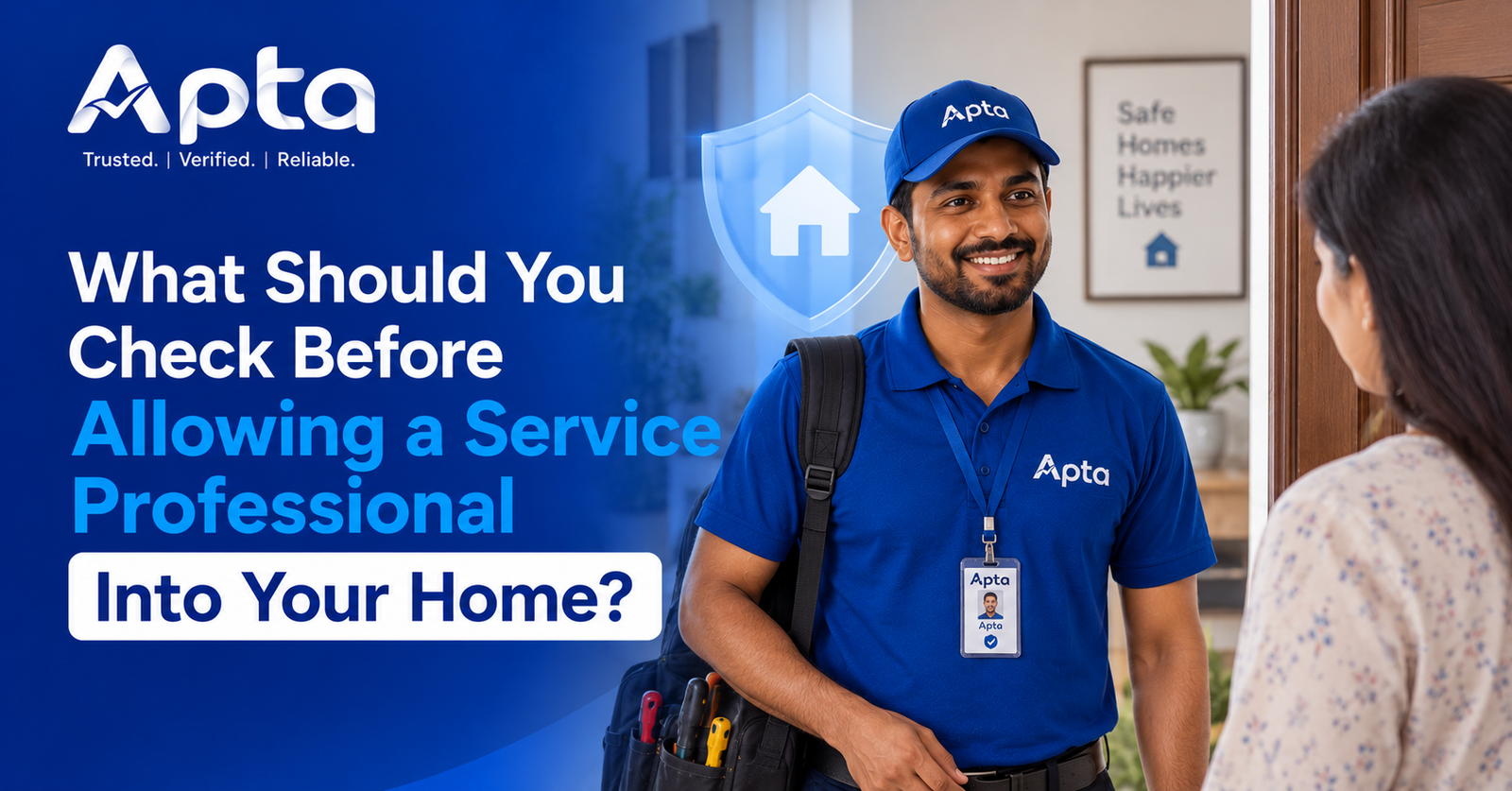
Hiring a plumber, electrician, carpenter, appliance technician, painter or another local professional often means allowing someone you don’t know into your home. The service itself may be routine, but the decision about who you allow into your home deserves just as much attention as the price or quality of the work.
Most people focus on questions like:
- How much will it cost?
- How quickly can they arrive?
- Can they fix the problem?
But there is another important question:
Do you know enough about the person coming to your home?
Before allowing a service professional inside, it is worth checking their identity, experience, reviews, verification information, service details and appointment information.
This guide explains what you should check before allowing a local service professional into your home and how to make the overall experience safer and more transparent.
Quick Answer: What Should You Check Before Allowing a Professional Into Your Home?
Before allowing a service professional into your home, verify who they are, what service they are providing and whether the appointment matches the information you requested.
Where available, check:
- Professional identity
- Verification status
- Profile information
- Customer reviews
- Relevant experience
- Service details
- Appointment information
- Estimated pricing
- Professional communication
- Emergency and safety considerations
You should also avoid sharing unnecessary personal information and keep valuable or sensitive items secured during the visit.
Why Home Service Safety Matters
When you hire a local professional, the person may need to enter your living space, interact with family members and access areas of your home that are normally private.
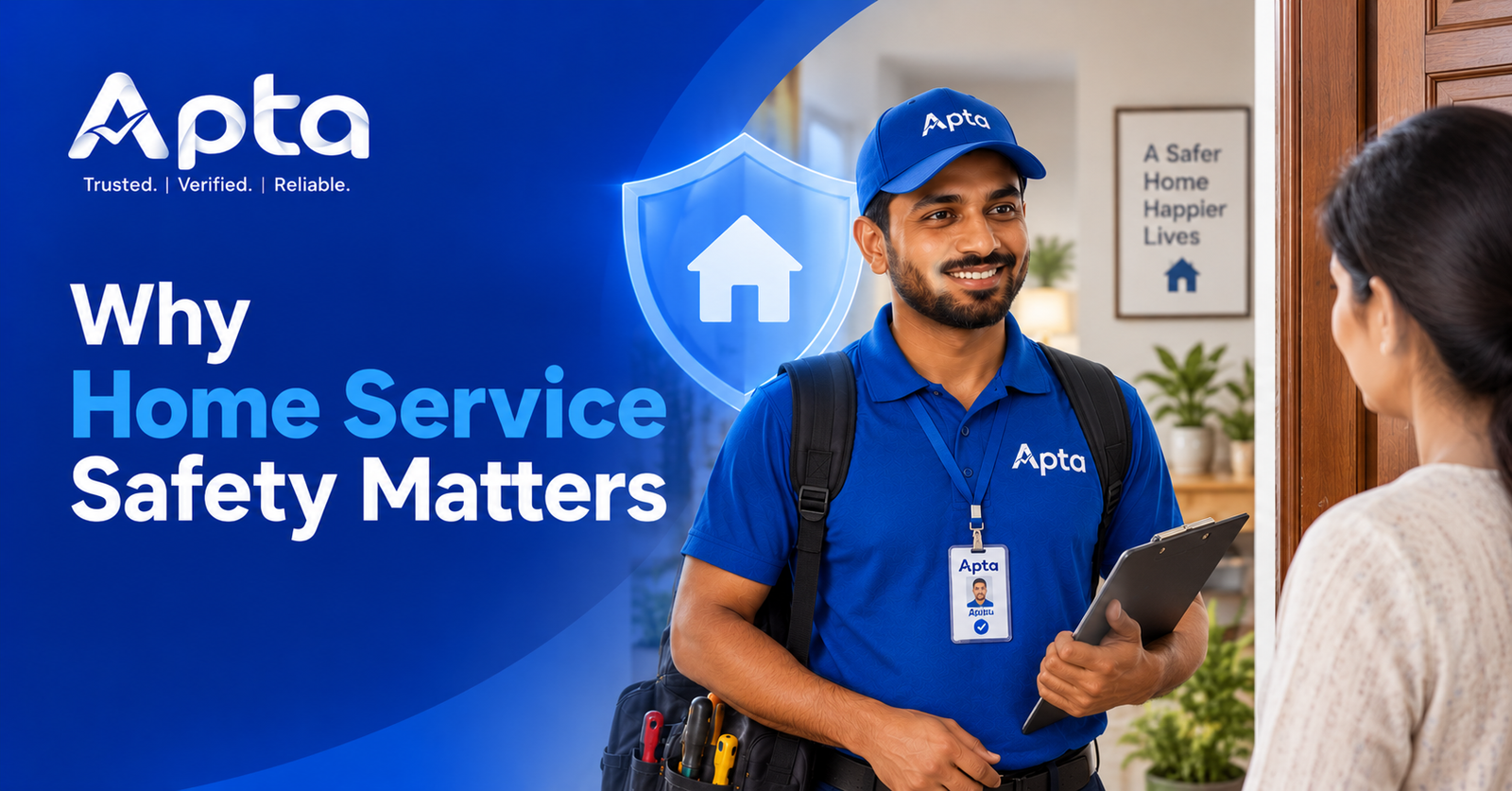
This is different from buying a product online or visiting a shop.
For this reason, trust should be part of the service discovery process.
A good service platform should help customers understand more than just a professional’s name and phone number.
Customers should ideally be able to see relevant information such as:
- Name
- Profile photo
- Service category
- Skills
- Experience
- Ratings
- Reviews
- Service area
- Verification information
- Availability
- Previous work
The more useful information available before the appointment, the easier it becomes for customers to make informed decisions.
10 Things to Check Before Allowing a Service Professional Into Your Home
1. Verify the Professional’s Identity
The first step is knowing who is coming to your home.
If the platform provides identity verification, check the professional’s verification status before confirming the visit.
Depending on the service and platform, verification may include:
- Mobile number verification
- Government identity verification
- Selfie verification
- Address verification
- Background verification
- Professional documentation
However, remember that verification can mean different things depending on what has actually been checked.
A customer should be able to understand what was verified, rather than simply seeing a generic “Verified” label.
2. Check the Professional’s Profile
A detailed profile can help you understand who you are hiring.
Before confirming a visit, look at:
- Professional name
- Profile photograph
- Services offered
- Skills
- Experience
- Service locations
- Working hours
- Ratings
- Reviews
- Verification information
A complete profile can provide considerably more confidence than an unknown phone number received through an informal recommendation.
3. Read Customer Reviews
Reviews can help you understand how other customers experienced the professional’s service.
Look for feedback about:
- Professional behaviour
- Punctuality
- Quality of work
- Communication
- Pricing
- Cleanliness
- Reliability
- Whether customers would hire the professional again
Don’t judge someone only by their overall rating.
Read several reviews and look for patterns.
For example, if multiple customers mention that a professional arrived on time, communicated clearly and completed the work properly, those repeated experiences can be useful when making your decision.
4. Check Relevant Experience
Experience matters because different service requirements require different skills.
For example, a plumber who mainly handles tap repairs may not be the right professional for a major plumbing installation.
Similarly, an electrician experienced in household repairs may not necessarily be suitable for a complex commercial electrical project.
Before allowing someone into your home, make sure their experience matches the work you need.
Ask a simple question:
“Have you handled this type of work before?”
5. Confirm the Appointment Details
Before the professional arrives, confirm the basic appointment information.
Check:
- Professional name
- Service requested
- Date
- Time
- Address
- Expected arrival
- Contact details
If the platform provides an appointment or booking reference, keep it available.
If someone arrives claiming to be the professional you contacted but the details don’t match, don’t feel pressured to let them enter.
Confirm the information first.
6. Confirm the Price or Visit Charge
Money-related misunderstandings can create unnecessary problems.
Before the visit, ask whether there is:
- Inspection charge
- Visit charge
- Labour charge
- Emergency charge
- Material cost
- Installation charge
- Additional service charge
For simple services, you may be able to get an approximate price beforehand.
For complicated problems, the professional may need to inspect the issue before providing a final estimate.
For larger work, discuss the estimated cost and scope before giving approval.
7. Communicate Through the Platform When Possible
If a service platform provides in-app chat or calling, using those communication channels can provide an additional layer of convenience.
It can also help maintain a record of:
- Appointment discussions
- Service requirements
- Estimates
- Changes to the appointment
- Other important communication
This is particularly useful when you need to refer back to what was discussed.
Apta is designed with the idea that customers should be able to discover and communicate with professionals without depending entirely on informal contact sharing.
8. Tell Someone About the Appointment
For an unfamiliar professional visit, particularly when you are home alone, it can be sensible to let a family member, friend or trusted person know.
You can share:
- The professional’s name
- Expected arrival time
- Service being performed
- Appointment details
For higher-risk or unusual situations, consider having another person present.
This is a simple precaution that can provide additional peace of mind.
9. Keep Sensitive Items and Information Secure
Before a professional arrives, secure items that don’t need to be accessible for the service.
This can include:
- Cash
- Important documents
- Jewellery
- Personal identification documents
- Passwords
- Sensitive business information
- Valuable electronics
You should also avoid sharing unnecessary personal information.
A service professional generally needs information relevant to completing the job, not access to your private accounts, passwords or unrelated documents.
10. Trust Your Judgment
Technology can provide useful information, but your own judgment still matters.
If something feels wrong, you don’t have to continue with the appointment.
For example, reconsider the visit if:
- The person’s identity doesn’t match the appointment
- They refuse to explain why they are there
- They pressure you to allow access
- They insist on performing unnecessary work
- They behave aggressively or disrespectfully
- The quoted price changes significantly without explanation
- They ask for unnecessary personal information
You can pause the service and verify the details before allowing the work to continue.
What Information Should a Customer Be Able to See?
A good local service platform should make important professional information easy to understand.
Ideally, a customer should be able to see:
Professional Information
- Name
- Photograph
- Service category
- Skills
- Experience
- Languages
- Service areas
Trust Information
- Identity verification
- Other applicable verification
- Ratings
- Reviews
- Trust indicators
- Completed service history where appropriate
Service Information
- Services offered
- Availability
- Approximate pricing where available
- Service duration
- Emergency availability
- Service coverage
This information allows customers to make a decision based on more than just price.
What Does “Verified Professional” Mean?
The word “verified” can be useful, but customers should understand what it means.
Verification may refer to different checks.
For example:
- Mobile number verified
- Identity verified
- Selfie verified
- Address verified
- Background verified
- Certificate verified
These are not the same thing.
A mobile number verification does not mean that someone’s professional qualifications have been verified.
Similarly, having a professional certificate does not automatically mean that a person’s identity or background has been checked.
That’s why transparency is important.
A platform should clearly explain which information has been verified.
Should You Allow a Professional to Enter Every Area of Your Home?
Not necessarily.
Give access only to the areas required for the service.
For example:
- A plumber repairing a bathroom may only need access to the bathroom.
- An electrician repairing a switch may only need access to that electrical point.
- An AC technician may need access to the indoor and outdoor AC units.
- A washing machine technician may only need access to the appliance.
There is generally no reason to provide unrestricted access to unrelated rooms or personal areas.
What If the Professional Brings Someone Else?
If the person arriving is accompanied by another individual who was not mentioned during the appointment, ask why.
For some jobs, a professional may legitimately require an assistant.
However, if you were not informed beforehand and feel uncomfortable, you can ask the professional to explain the situation before allowing anyone additional into your home.
For larger projects involving multiple workers, clarify the expected team size beforehand.
What If the Professional Needs Additional Work?
Sometimes a professional discovers another issue after inspecting the original problem.
For example, you may call an electrician to repair a switch and discover that the wiring behind it also needs attention.
The professional should explain:
- What additional problem was found
- Why it needs attention
- What work is required
- What additional cost may apply
- Whether you approve the additional work
Customers should not feel pressured to approve unexpected work immediately.
For significant additional work, take time to understand the recommendation and cost.
What Should You Do If You Are Not Comfortable?
You are not obligated to continue with a service simply because the professional has arrived.
If you become uncomfortable, you can:
- Ask the professional to stop.
- Avoid confrontation.
- Contact the platform or service provider if applicable.
- Ask a family member or trusted person for assistance.
- Leave the situation if you feel unsafe.
- Contact appropriate emergency services if there is an immediate threat.
Your safety should always come first.
Extra Precautions for Women, Elderly People and People Living Alone

Everyone can benefit from basic home-service safety practices.
However, additional precautions may be useful for people who are uncomfortable being alone with an unfamiliar professional.
Consider:
- Sharing appointment details with someone you trust
- Using platform-based communication where available
- Checking the professional’s profile before the visit
- Confirming identity on arrival
- Scheduling visits during suitable hours
- Having another person present when possible
- Keeping emergency contacts easily accessible
These precautions aren’t about assuming that a professional is unsafe.
They are about creating a safer and more comfortable service experience.
What Should You Do After the Service?
Your responsibility doesn’t necessarily end when the repair is complete.
After the service:
Check the Work
Make sure the requested work has been completed.
Confirm the Final Price
Review the final amount and any additional charges.
Keep the Receipt
Save the invoice or payment confirmation.
Report Problems
If something went wrong, report it through the relevant support channel.
Leave an Honest Review
Your experience can help future customers make better decisions.
A useful review should focus on specific facts such as:
- Quality of work
- Professional behaviour
- Punctuality
- Communication
- Pricing
- Whether the issue was resolved
Why Reviews Are Important for Local Professionals
Reviews don’t only help customers.
They also help good professionals build their reputation.
A skilled plumber, electrician, carpenter or technician who consistently provides good service can build a strong digital reputation over time.
This creates a useful cycle:
Good Service → Positive Review → Stronger Reputation → More Customer Trust
For independent professionals who traditionally depend on word-of-mouth referrals, a digital profile can become an important professional asset.
Why Apta Focuses on Professional Identity and Trust
Apta is being built around a simple principle:
Customers should know more about the professional before deciding to hire them.
Instead of relying only on an unknown phone number or an informal recommendation, customers can discover professional profiles and consider information such as:
- Identity
- Experience
- Skills
- Ratings
- Reviews
- Service areas
- Availability
- Verification information
The objective isn’t to tell customers whom they must hire.
It is to give them better information so they can make their own decision.
A Better Way to Discover Local Professionals
Finding a local service professional has traditionally depended heavily on personal contacts.
You might ask:
“Do you know a good electrician?”
or
“Can someone recommend a plumber?”
Recommendations can be valuable, but they don’t always provide enough information for comparison.
A modern professional discovery platform can make the process more transparent by helping customers discover multiple professionals and evaluate their profiles.
Instead of choosing someone simply because their number was shared with you, you can consider:
Who are they?
What services do they provide?
How experienced are they?
What do their customers say?
What verification information is available?
Do they actually serve my area?
These are better questions to ask before hiring.
How Apta Can Help
Apta is being built to help customers discover and connect with local service professionals through a more transparent digital experience.
The platform is designed around professional profiles rather than simply phone numbers.
Depending on the professional and service, customers can consider information such as:
- Experience
- Skills
- Ratings
- Reviews
- Service areas
- Availability
- Verification information
Apta’s broader goal is to create a trusted environment where customers can discover professionals and where skilled service providers can build a reputation based on their work.
Because finding someone nearby is easy.
Knowing who you’re hiring is what matters.
Final Home Service Safety Checklist
Before allowing a service professional into your home, check:
☐ Professional identity
☐ Profile information
☐ Relevant experience
☐ Customer reviews
☐ Ratings
☐ Available verification information
☐ Service details
☐ Appointment date and time
☐ Visit charges
☐ Estimated pricing
☐ Scope of work
☐ Communication details
☐ Access required for the job
☐ Additional work approval
☐ Payment record
And remember:
If something doesn’t feel right, you can pause the service and verify the details before continuing.
Frequently Asked Questions
How can I verify a service professional before allowing them into my home?
Check their professional profile, identity information, reviews, experience and available verification details. Confirm that the person’s identity matches the appointment information.
What should I check before hiring a home service professional?
Check their experience, skills, reviews, ratings, service area, pricing, availability and available verification information.
Does a verified badge mean the professional is completely safe?
Not necessarily. Verification can cover different things. Always check what exactly has been verified rather than assuming that one badge represents every possible background or qualification check.
Should I let a service professional access every room in my home?
No. Give access only to the areas required to complete the requested service.
What should I do if the professional’s identity doesn’t match the appointment?
Don’t feel pressured to allow entry. Pause the visit and verify the person’s identity and appointment details through the relevant platform or contact channel.
Should I tell someone when a professional is coming to my home?
Sharing appointment details with a trusted family member or friend can be a sensible precaution, particularly if you are home alone.
What if the professional asks for additional work?
Ask them to explain the problem, required work and additional cost. Approve additional work only after you understand and agree to it.
Should I keep valuables secure during a service visit?
Yes. Keep unnecessary valuables, important documents, passwords and sensitive information secured and provide access only to areas required for the service.
How can reviews help me choose a service professional?
Reviews can provide insight into previous customers’ experiences, including punctuality, communication, quality of work, pricing and professional behaviour. Look for patterns across multiple reviews rather than relying on a single review.
Conclusion
Inviting a service professional into your home should not be a decision based only on availability or price.
Before the visit, take a few minutes to check who the professional is, what they specialize in, what previous customers say and what verification information is available.
Confirm the appointment, discuss pricing and give access only to the areas required for the job.
Most importantly, remember that trust is part of the service experience.
The future of local services should make it easier for customers to discover not just a professional nearby, but a professional they can make an informed decision about hiring.
Trusted. Verified. Reliable. That’s what Apta is building toward.